Workplaces that swallow handwear covers by the pallet generally know two numbers by heart: device cost and monthly consumption. What usually obtains ignored is the long tail of price and threat that complies with those PPE Gloves from distribution to disposal. Waste hauling fees, unsafe segregation mistakes, cross-contamination events, stockouts, quality drift in between great deals, and the reputational hit of sending mountains of single-use product to garbage dump all reside in the blind spot. Libra PPE Recycling has been operating in that unseen area for many years, not by glorifying zero waste, yet by re-engineering exactly how PPE is utilized, recuperated, cleaned up, tracked, and recirculated. The outcome is a system that makes financial sense, assists with compliance, and really reduces ecological load.
I have actually aided stand glove programs in sterile compounding, electronic devices assembly, bioprocessing, and high-mix production. The patterns are surprisingly regular: the locations that deal with PPE as a living system, instead of an expenditure line, cut material usage by dual figures, decrease downtime, and lower risk. Libra PPE Recycling didn't develop those impulses, yet they have actually packaged them into a round economic climate model that most operations can embrace without transforming their flooring upside down.
The busted loophole of disposable PPE
Most facilities run a straightforward loophole that isn't truly a loophole in all. Buy PPE, break open the situation, usage when, landfilled or incinerated. The operational story below looks like this. Open up supply lives in unrestrained bins and goes away in handfuls. Fit, responsive feeling, and sanitation vary by lot, so supervisors overissue to reduce grievances. Waste drums fill up quickly, and you pay the hauler based upon volume or weight, not on whether the components still have value. When auditors ask where the product goes, the solution is some variation of concealed, out of mind.
The market shows this is not sustainable. Nitrile rates turn. Garbage dump gates obtain more stringent. Customers and capitalists start requesting for Environmental responsibility metrics past obscure targets. On the other hand, health and safety supervisors bother with Cross-contamination prevention, particularly where cleanroom-adjacent job meets daily manufacturing. PPE gloves recycling must be very easy, however the useful obstacles are real: sorting, validating cleanliness, reconditioning to a confirmed spec, and monitoring whole lots so you can support the product after it goes back to service.
Libra PPE Recycling addresses those barriers with a straightforward combination of process style, traceability, and cleansing innovation. The headline is recycling, but the day-to-day value originates from predictability and control.
What Libra modifications on the floor
The physical experience in a plant using Libra looks various from a one-and-done setup. Concern factors reduce, collection points multiply, and individuals quit dealing with PPE like paper towels.
A clinical tool client in Minnesota changed from single-use nitrile to a Libra-enabled program in 2015. Before the shift, they averaged 3.6 gloves each per shift, and waste audits showed an eye-opening 24 percent of thrown out handwear covers were unused, pulled from boxes that obtained polluted or left at benches. After three months with Libra containers and a simple at-the-bench training, they reduced to 2.1 handwear covers each per shift and almost removed unopened handwear cover waste. Those aren't cherry-picked numbers. When people see worth in a product's second life, they take care of the first life with even more care.
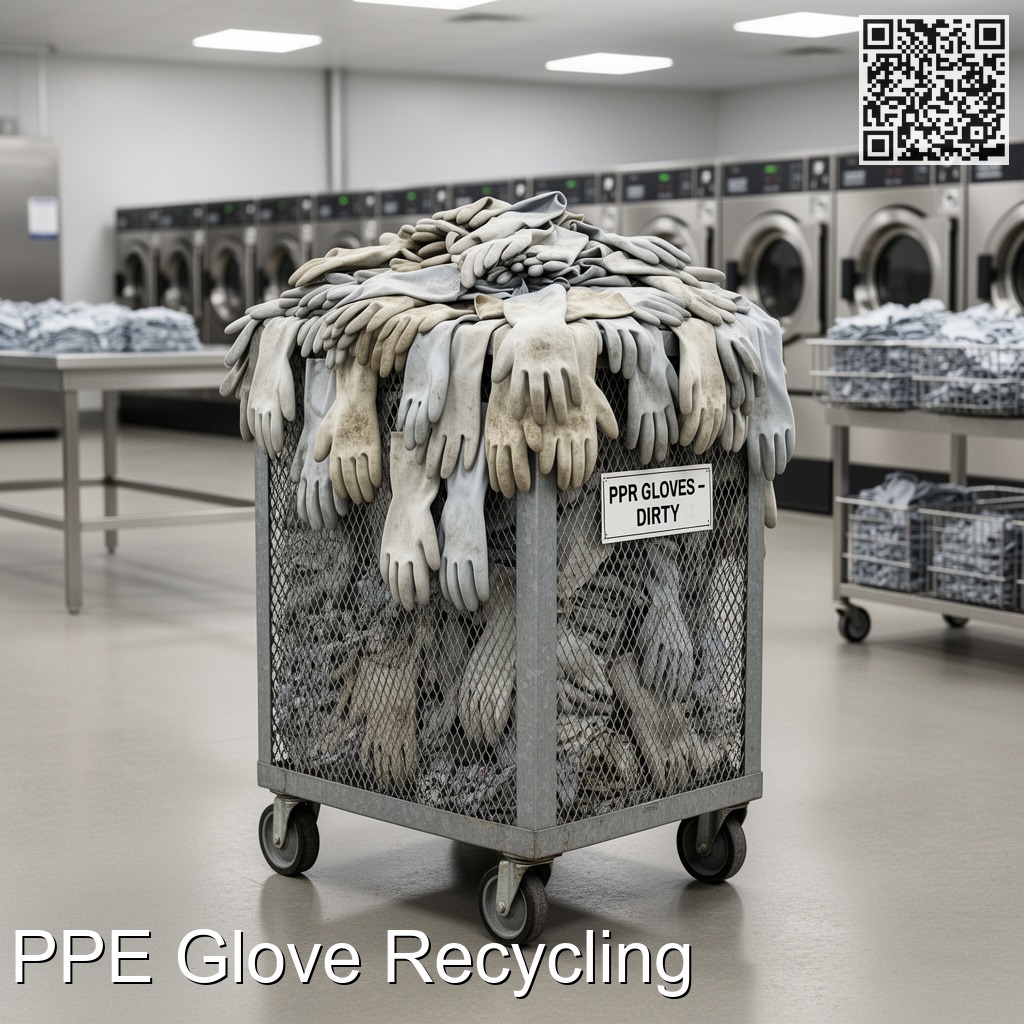
The workflow changes come down to a couple of touchpoints. Tidy handwear covers provided in right-size packs to reduce open-box exposure. Color-coded, lidded return bins positioned exactly where handwear covers come off. A brief, particular standard on what may be returned, what should be trashed, and exactly how to get rid of handwear covers without contamination. On the backside, the center changes from common waste transports to scheduled pickups or consolidated decrease shipments that head to Libra instead of the landfill.
The science and craft of glove cleaning
Glove cleansing is the part everyone wishes to jab at, and rightly so. If PPE returns to service, it has to carry out fresh, or the program breaks down. Libra's method has 3 columns: pre-sorting, confirmed decontamination, and post-process testing.
Pre-sorting sounds uninteresting up until you see the difference it makes. Blended streams are a dish for waste. Libra mounts bin systems that divide by product type and direct exposure threat, and trains floor results in quarantine suspect batches. In technique, this implies nitrile that saw just dry handling decreases one path, while handwear covers utilized in wet chemistry, cytotoxics, or biohazard job do not get in the reusing stream in any way. You obtain self-confidence by getting rid of grey areas.
Validated decontamination is the core. The approach varies by product and end-use, but usually includes mechanical cleaning to remove residues, chemical neutralization where proper, and regulated drying out to prevent embrittlement. The target is not simple visible tidiness, it is functional integrity. Elastomer properties can break down with heat or solvents, so process home windows are tight. The much better programs, and Libra's is just one of them, run like a light manufacturing plant with standard operating procedures, great deal control, and real-time process surveillance as opposed to like a laundromat.
Post-process screening shuts the loophole. Tensile stamina, prolongation at break, slit resistance, and AQL checks are performed on example whole lots. For sterile-adjacent operations, bio-burden and endotoxin screening can be layered in. Does every set ended up being ideal for every single job? No. And that is specifically the point. Sets are graded for usage. Some go back to higher-spec jobs like assembly or examination. Others get transmitted to lower-risk job like basic handling or janitorial usage. If a batch falls short, it obtains downcycled to products like floor coverings or soaked up right into material recuperation streams where polymers are reprocessed.
Cross-contamination prevention that really prevents
The common debate versus PPE reuse is cross-contamination. I have actually seen the poor variations: impromptu collections, nontransparent cleansing steps, and handwear covers coming back in unsealed bags with no traceability. That is not this program.
Libra embeds great deal traceability from pickup via reissue. Returned handwear covers are contained at the point of dispose of and relocate classified totes, so you recognize the procedure area they came from. Chain of guardianship information become part of the record, matched to cleaning criteria and test outcomes. When the handwear covers come back, they are secured in right-size packs with lot labels, issue dates, and planned usage courses. Supervisors can maintain one course for electronics setting up and an additional for shipping.
The logic mirrors great controlled washing techniques however tightened for PPE. You stay clear of cross-contamination at 3 phases: collection, handling, and reissue. If a step falters, the set fails up the chain. This costs greater than indiscriminate collection, yet it saves money by stopping rework, scrap, and safety and security events. In pharma compounding, a solitary contamination event can go beyond a year of savings, so the math is not subtle.
Circular economy model, not round theater
A circular economic climate design works only when comments is functional. Libra's loop is little and explicit. Material flow information notify acquiring. Quality information inform allotment. Waste data educate source fixes.
When you press a recycled product back into a process, you see the procedure extra plainly. Are people tearing handwear covers while putting on? That mean incorrect sizing or material mismatch. Are particular locations constantly throwing out pairs after light use? Perhaps the task requires fingertip-only protection or tool-based treatment. An unexpected variety of glove adjustments are actually behavior changes. The circular loophole reveals them.
Waste diversion is a substantial result. Facilities that totally adopt the program commonly divert 40 to 70 percent of glove mass away from land fill, relying on threat profile. That doesn't suggest every glove go back to hands. Some come to be feedstock for commercial items. The important part is that you relocate from a direct burn to a handled loop where product worth is harvested in the highest possible practical form initially, after that tipped down.
Where the cost savings originate from, line by line
Sustainability teams will build the story, however operations wins the spending plan. Cost savings are useful and stack up quietly.
Material decrease strikes first. Individuals use fewer gloves when supply is managed and sized appropriately. The moderate friction of returning a glove to a bin as opposed to a wastebasket changes actions. In six-month testimonials, we often see 15 to 30 percent fewer gloves taken in for the same output.
Waste hauling declines next. A lot of haulers cost by lift or container, with costs for harmful or special waste. When you pull clean or clean-adjacent handwear covers out of those streams and combine them for recycling, your staying waste is leaner, and your pickups come much less often.
Downtime and flaws fall. Better-fitting handwear covers and consistent responsive feeling reduce fumbles on tiny parts, which turns up as fewer scratches, smudges, or dropped components. It is hard to associate causality easily, yet quality control panels frequently reveal a measurable, if small, renovation within the initial quarter.
Compliance prices decline. During audits, you can reveal documented procedures, lot traceability, and Environmental obligation information sustained by real numbers. Auditors choose a controlled loophole over claims that disposable equals secure by default.
To help facilities measure this, Libra offers an ROI calculator. The much better versions aren't marketing playthings. You go into baseline intake, system pricing, wage rates for wearing and doffing, waste haul prices, and your center's risk account. The outcome models three situations: status quo, recycling with marginal behavior modification, and recycling with optimized use. I have actually contrasted these models with actual applications, and while no model is best, they were within 10 to 15 percent of recognized cost savings after six months in 2 separate sites.
Fit with regulated environments
Regulated rooms elevate the risks. If you run in pharma, med tool, food, or aerospace, you require defensible controls. Reusing can fit, however it takes patience and clarity.
Start by mapping use situations. Not every location is a prospect. Risky biohazard areas or cytotoxic intensifying remain single-use, full stop. Nearby zones with clean yet non-sterile jobs typically certify. Specify boundaries and treat transfers like you would certainly product transfers: approved routes, documented states, and labelled containers.
Validation is not performative paperwork. You will require to certify the cleansing process, reveal that material residential properties fulfill specification after defined cycles, and confirm that bioburden remains listed below your limits. Libra's program normally provides process recognition packets that consist of method, restrictions, and examination information. Your top quality unit must still possess the decision to accept and the routine re-qualification.
Labeling and great deal control deserve focus. Operators should not need to think where a handwear cover can be utilized. Courses ought to be evident on the packaging and enhanced by signage. If a batch recall comes to be essential, you need the same recall muscle memory you make use of https://myleshaya354.iamarrows.com/avoiding-cross-contamination-via-proper-ppe-gloves-recycling on raw materials.
Real numbers from the field
A Tier 2 contract manufacturer in Ohio, running two shifts with 420 operators, burned via concerning 1.8 million nitrile gloves per year. Unit prices averaged 9.6 cents, and waste hauling for combined hazardous waste expense about 165 bucks per pick-up, three pick-ups weekly. They piloted Libra in SMT, conformal coating, and last pack, about 45 percent of their floor.
After four months:
- Monthly handwear cover intake in the pilot locations went down from 150,000 to 105,000, a 30 percent reduction. Waste pick-ups dropped from 12 to 9 per month, connected mostly to glove diversion and much better partition of absorbents. Recycled glove packs returned at a price of 68 percent of the diverted stream, with 32 percent downcycled. First-pass yield in SMT ticked up from 98.4 to 98.9 percent. The engineering supervisor did not credit scores gloves alone, yet he did note less ESD dealing with errors after standardizing handwear cover types.
They expanded plant-wide after a quarter, expecting repayment in 7 to 10 months. It landed closer to 9, mostly since nitrile rates softened and lowered the buck value of material saved. Even with that headwind, the CFO authorized off due to the fact that the waste variance flattened and audit preparation obtained easier.
Trade-offs and where programs struggle
Not every site prospers on a recycled glove program. Three failure settings show up repeatedly.
The first is social. If leadership structures this as tightfisted, individuals will certainly function around it. Mount it as top quality and safety with Ecological duty as an included advantage. Identify teams that strike return rates and top quality metrics, not simply lower consumption.
The second is logistics slippage. Bins drift from the factor of use to any place there's open floor area. Lid springs break and nobody reports it. Blended streams slip in. This is solvable with light-touch upkeep and possession. Designate a name to each container place in the five windows registry and the problem fades.
The 3rd is overreach. Some teams try to press recycled handwear covers into jobs that truly need pristine, single-use product. That types skepticism. Maintain risky operations on their own supply, and use recycled streams where they make sense.
How to roll out without tripping over your very own feet
Start small and intentional. Choose 1 or 2 departments with foreseeable tasks and cooperative supervisors. Map the circulation from putting on to throw out, after that place containers where hands quit working. Train with brief, particular assistance: when to alter, how to eliminate, where to place. Prevent lectures. Program people the new packs and labels so reissue feels familiar.
Measure weekly initially. Track usage, return rates, and flaw signals like tears throughout wearing. Readjust container positioning based on real footpaths, not architectural drawings. Anticipate 2 to 3 weeks of noise as practices shift.

When the data maintain, bring your top quality group and EHS supervisor to the cell and walk the procedure end to end. Allow them ask difficult concerns. If they can not tie each step to a control, fix it. Then broaden to neighboring locations that share similar danger profiles.
Data you can stand behind
PPE programs are ripe for control panels that look great and indicate little. The valuable metrics for a program similar to this are couple of and concrete.
- Return price by area as a percentage of issued gloves. If the rate is reduced, either individuals are overusing disposables or bins are misplaced. Batch pass rate with cleaning and testing. If pass prices drop, examine the incoming stream for contaminants or product changes. Consumption per unit of result, not per headcount. This normalizes for overtime and absenteeism. Waste pick-ups per month and container weights for impacted streams.
These figures must be examined in the very same tempo as quality metrics. Libra's platforms typically sustain electronic tracking, yet even a spreadsheet works initially. The factor is to maintain the loophole limited and responsive.
Environmental obligation that isn't performative
CSR reports frequently drown in percentages divorced from context. PPE is one location where you can tell a concrete story. "We minimized landfill-bound handwear cover waste by 8 loads in 2014, and 60 percent of recuperated handwear covers returned to production-grade use." That sentence has teeth. It additionally resonates with line employees that can see the bins and the packs, not simply a press release.
There is also a supply-chain merit to this version. When virgin material gets tight, a recycled stream buffers you. Throughout the PPE problem of 2020 and 2021, centers with any type of level of cleaning and reuse ability got on much better. Nobody wants to depend on that barrier, however durability matters.
The bigger picture: turning PPE right into managed inventory
The most surprising advantage of Libra PPE Recycling is what it does to procurement and inventory. As soon as PPE becomes part of a taken care of round system, you begin intending as opposed to responding. Order straighten with real usage as opposed to harsh projections. Handwear cover styles consolidate, fit boosts, and complaints drop. EHS obtains a lever to affect habits at the bench without turning into the glove police.
Think of it as the change from asset to element. Parts obtain drawings, specifications, alteration control, approved vendors, and getting assessment. Gloves should have several of that rigor. When they do, financial savings adhere to as an adverse effects of much better engineering.

Where Libra fits in the landscape
Plenty of suppliers supply take-back or downcycling. A couple of do authentic reconditioning at scale. Libra's differentiator is less concerning proprietary chemistry and more concerning its willingness to integrate with a facility's quality frame of mind. They chat in the language of AQL, recognition windows, and whole lot traceability, not slogans. Their ROI calculator aids begin the financial conversation, but their area teams gain count on by walking lines and readjusting bin placement, not by offering decks.
That attitude issues in the untidy middle where programs live or die. You can have a fantastic cleansing procedure and still fail if bins sit five actions too far where handwear covers come off. You can have perfect training and still stop working if packs come back in dimensions that do not match hands on the flooring. Libra tends to get those human information right.
What success appears like after a year
A year in, the indicators of a healthy and balanced program are easy to place. Storeroom hold fewer open cases and even more right-size packs with clear tags. Return bins are tidy, lids close properly, and people utilize them without believing. Supervisors talk about handwear covers the way they talk about components, as devices tuned to the work. Quality information shows stable or a little boosted touch-related metrics. Waste reports are tiring in the best way, with less spikes and predictable pick-ups. The sustainability report consists of hard numbers on PPE gloves recycling and a note concerning the Round economic situation version installed in day-to-day work, not a side project.
You likewise see a cultural change. Operators call out when a container goes missing or a batch feels off. EHS and procurement coordinate as opposed to trade emails after the fact. The change does not really feel heroic. It really feels normal.
A sensible path forward
If you wonder, run an easy readiness check:
- Do you have at the very least 2 process areas where handwear covers see tidy or dry handling the majority of the time? Can you place secured, labeled return bins within 1 or 2 steps of where handwear covers come off? Will your quality group engage in a limited-scope validation with product and useful tests? Can you track usage by location for 6 weeks to develop a baseline?
If you can state yes to the majority of that, a pilot is practical. Start with a slim scope, record the circulation, and allow the information lead the expansion. Keep risky areas on single-use until you have developed confidence elsewhere.
Libra PPE Recycling is not magic. It is a sensible reframing of PPE as a managed, deducible asset as opposed to a consumable blur. Implemented with treatment, it decreases cost, tightens up top quality, and provides your Ecological responsibility agenda a backbone of numbers as opposed to objectives. Most notably, it appreciates the facts of the flooring, which is where sustainability either works or doesn't.
Libra Industries Inc
1435 N Blackstone St, Jackson, MI 49202
+15177875675
| Place ID | ChIJt_HMH44vPYgRNbiD22DpHYo |
| CID | 9952367353767639093 |
| Business Profile ID | 6301257705288912858 |
7H9Q+2G Jackson, Michigan
| Coordinates | 42.26760060, -84.41112540 |
 Ask ChatGPT
 Ask Grok
 Ask Perplexity
 Ask Claude
 Ask Google AI
 Ask You