PPE managers rest at a difficult intersection of security, price control, and environmental responsibility. Gloves and various other safety gear are mission important, yet they additionally produce a steady stream of waste, cost, and run the risk of if managed inadequately. A round economic climate model reframes that cycle. Rather than buying, using, and landfilling, you create a loophole that recuperates worth with handwear cover cleaning, accountable remanufacturing, and materials reusing, while policing cross-contamination and maintaining governing conformity. The payback turns up on both the balance sheet and your sustainability dashboard.
I have actually invested sufficient time on plant floors and in lab annexes to know what hinders a well‑meaning program. Bins obtain mistreated, procurement is neglected, safety fears exceed ecological victories, and suppliers overpromise. This playbook intends to assist you design a round program you can safeguard to safety, finance, and operations alike. It gets certain regarding PPE gloves since that is where a lot of the quantity rests, but the techniques put on various other classifications too.
What a round economic situation resembles in PPE
A circular economic climate model for PPE keeps products and worth in use for as long as possible. For gloves, that suggests the best product mix, fit-for-purpose glove cleansing process, and healing pathways after end‑of‑life. Some nitrile and fabric gloves can be laundered and gone back to service for multiple cycles prior to performance deteriorates. Non reusable nitrile that can not be recycled can still be set apart and converted into polymer feedstock. The core concept is straightforward: match the glove to the task and develop repeatable procedures for return, revival, and recycling.
Not every glove is a prospect. In heavy solvent applications, disposable handwear covers endure swelling and lose honesty. In pharmaceutical cleanrooms, cleaning can introduce inappropriate bioburden threat. A sensible round program begins with segmentation, after that pilots the most effective chances, not the hardest ones. You do not require excellence to unlock financial savings. You require the appropriate 30 to 60 percent of your quantity in a reuse or reusing pipeline.
Mapping your current state
Before you transform anything, get a clear photo of your PPE baseline. Quantity, spend, failing settings, and contamination accounts matter greater than mottos. Go for a one to two month information capture, enough time to smooth unusual spikes. Pull order for all PPE gloves by SKU, and match them versus issue logs, indirect supplies, and waste carrying manifests. Walk the flooring and view exactly how gloves are made use of, swapped, and thrown out. 10 mins in a high‑velocity workcell will instruct you greater than a spreadsheet.
During the stroll, note the bag color, container positioning, and signs. Many mis-sorting concerns originate from range and confusion. If the local container is basic trash, handwear covers wind up there. If the signage utilizes lingo, individuals fail to the safest choice, which is typically dispose of, not reuse. Take images and annotate them. You will need them when you orient supervisors regarding changes.
I like to classify glove applications right into 3 pails. First, completely dry and nonhazardous, like general setting up or warehouse picks, where handwear cover cleansing can prolong life. Second, damp however nonhazardous, like food product packaging lines with cleanable cut‑resistant liners, where a launder‑and‑return design can deal with limited microbiological controls. Third, anything with oils, solvents, or organic agents, where you may miss reuse but still pursue PPE gloves recycling. By the end of the assessment you ought to understand where reuse is acceptable, where recycling is the ideal path, and where incineration with energy recuperation might still be needed by law or risk.
Designing a handwear cover pecking order that works
The traditional power structure is decrease, recycle, recycle. For PPE, include another component at the start: pick. The wrong glove option locks you right into waste. The right selection opens up reuse windows and much safer recovery.
Material and building and construction issue. A heavier nitrile formula withstands tearing and can last much longer in low‑hazard atmospheres, yet it may reduce mastery and boost expense per pair. A weaved glove with a nitrile hand can survive dozens of laundering cycles if you specify the best stitching pattern and joint support. Coated cut‑resistant gloves with stainless fibers can be cleaned up repetitively if you manage pH, water temperature, and mechanical action at the laundry. On the other hand, thin, single‑use examination gloves are not reuse candidates, yet they can be aggregated for polymer healing if they are devoid of oils and biohazards.
The hierarchy likewise relates to process layout. Limitation modifications mid‑shift, place handwear cover dispensers where they match task changes, and set a common wear duration for each and every job. In one electronics plant, relocating the handwear cover adjustment station fifteen feet more detailed to the ESD mats reduced unneeded swaps by a quarter since service technicians no more got a fresh set after every brief stroll. Little rubbings can drive waste. Map them and take care of them.

Cross contamination avoidance at the core
Nothing will torpedo a circular economic climate initiative faster than a contamination occurrence. Whether you operate under OSHA, FDA, EPA, or global equivalents, threat controls require to be crafted into your reuse and reusing flows. Cross‑contamination prevention starts with classification, not the laundry.
Set clear guidelines wherefore can go into the reuse stream. Dry particle and dust? Generally fine, depending on industry. Light oils or safe coolants? https://squareblogs.net/lachulthtx/cross-contamination-prevention-in-glove-cleansing-workflows Possibly, if laundering can eliminate them and testing confirms it. Biological materials, PDIs, or specific solvents? Keep them out. Tag bins by classification, not just by shade. Compose the target residues and prohibited materials in simple language. "Dry, no oils" beats "Category A." Post one line instances near the bin.
At the handling stage, line leads need to have a straightforward choice tree. If a glove touches a noted compound, it never ever goes into reuse. Store those in a secured container for reusing or controlled disposal. For returned gloves, bag and tag by workcell to keep traceability. At the washing or cleansing companion, need set testing for recurring contaminants, pH nonpartisanship, and fiber integrity. In higher‑risk fields, consist of swab examinations and ATP where relevant. If a set fails, it is drawn away and checked out, not quietly blended.
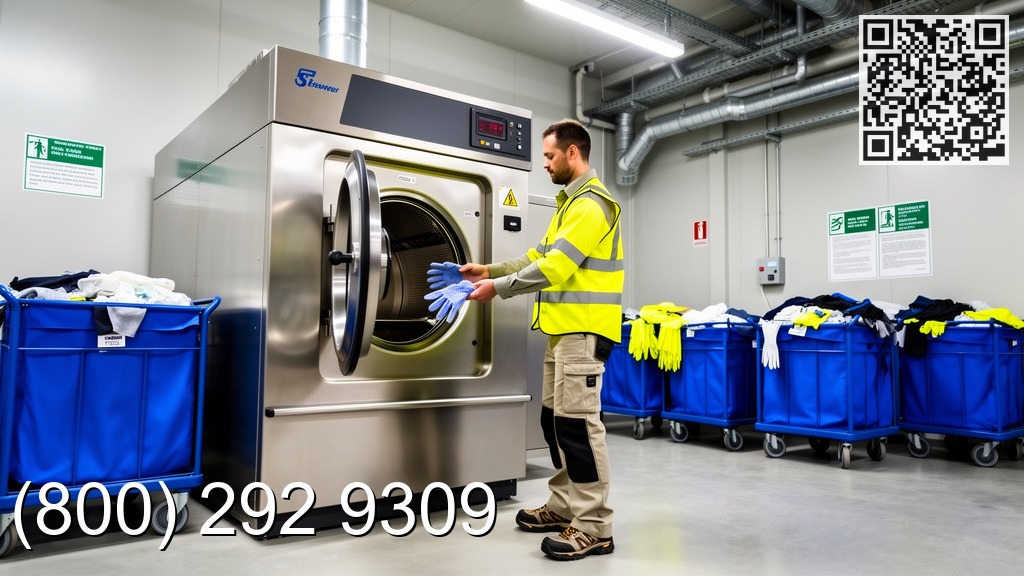
Facility format plays a role. Keep clean inbound handwear covers far from soiled returns. Usage one‑way flow to stop unexpected mixing. If you outsource, go to the partner's website and see their chain of protection. Ask how they set apart streams, what their kill steps are, and how they document recognition. The goal is not perfection on day one, however a documented, auditable procedure that you can boost quarter by quarter.
Building your ROI model with an ROI calculator
You will need numbers to encourage finance and procedures. An ROI calculator for PPE is more than an advertising gizmo. The inputs that matter specify: system expense, existing usage rate, change in beneficial life with cleansing, cleaning price per cycle, anticipated deny price, labor to take care of the program, and financial savings from lowered disposal. Do not neglect soft constraints like storage space and shipping prices to a handwear cover cleaning partner.
Here is a straightforward method to frame it. Expect you purchase 1.2 million sets of general‑purpose nitrile‑coated gloves per year at a blended price of 1.10 dollars per pair. If cleaning up expenses 0.28 bucks per cycle and you can securely reuse fifty percent of those gloves again, you successfully minimize brand-new acquisitions by roughly 300,000 to 400,000 sets, depending upon denies. Include 0.28 to take care of cleaning, subtract 1.10 from prevented new buys, and you web 0.82 bucks per handwear cover reused prior to admin. Multiply by the matter and subtract program overhead. Despite having conventional decline rates and a few cents of added logistics, the mathematics normally lands in your favor for the right handwear cover types.
Recycling moves the numbers in different ways. If your waste hauling costs 85 to 140 dollars per lot and you divert five to 10 lots of PPE gloves, that is not a spending plan treasure trove. The bigger bar is avoiding contamination costs and sustaining ecological responsibility commitments. Some recyclers use worldly credit scores or countered on future purchases. Design that as a reduction in internet acquisition price. Keep your varieties truthful. Savings frequently turn up as stayed clear of rises as opposed to noticeable spending plan cuts in the initial year.
When providing the situation, treat safety as a needed gateway, not a line item. Allot independent testing funds in the spending plan. If your ROI rests on shortcuts here, the program will certainly fail. Finance teams appreciate plans that cost risk into the model.
Choosing partners and programs
No single supplier is perfect for every plant. Examine companions on logistics, technological capacity, and transparency. For handwear cover cleansing, ask for their laundering criteria by product classification, their cleaning agent and pH specifications, their mechanical activity, and how they check post‑wash efficiency. If they wait to share, treat it as a signal. You do not require trade keys, however you do require sufficient detail to match their process to your gloves.
For recycling, confirm completion markets. Can they map where the polymer goes? Are they converting nitrile right into useful products or just sending out bales to a third party? If a partner uses take‑back for mixed PPE, get clearness on what portion is absolutely reused and what mosts likely to energy recuperation. Blended waste programs can aid, however they frequently carry an eco-friendly halo that is brighter than the real diversion rate. That is still great, as long as you understand the truths and communicate them accurately.
Some companies, such as Libra PPE Recycling, focus on purpose‑built streams for PPE gloves recycling and closed‑loop materials recovery. The value of a specialist is the procedure discipline. They are more probable to take care of partition subtleties, paper chain of guardianship, and give information for audits. When you review such options, request for a trial, not a long contract. Run a three‑month pilot with a couple of workcells, action diversion, price, and any type of flaws in gloves returned to service.
The pilot: begin tiny, design for scale
A great pilot picks one to three glove SKUs and two to 4 departments with clear jobs. Choose areas with involved managers who will help enforce cross‑contamination prevention and container usage. Outfit them with clear signs, short training, and a quick comments loophole. You desire problems to surface area early.
On week one, expect mis-sorting and opportunistic discarding. Facilities staff can despair rapidly if they find half‑full recycling bags generally garbage or the other way around. Appoint an everyday look for the first two weeks. Compensate correct habits. File error situations and repair them in the setting. Possibly a container needs to move closer to a modification factor, or an indication requires a pictogram.
Set performance limits prior to you start. For example, undesirable deny rate over 15 percent, or more than one security defect per thousand cleaned up handwear covers returned. Track usage and disposal. After four to six weeks, you should have adequate data to adjust. Expect at the very least one surprise. In one pilot, we learned that a brand-new glue introduced on a machining line made glove cleansing stop working periodically, not as a result of the glue itself, however since it got to the laundry after treating for 2 days. The repair was to maintain those gloves out of reuse and send them directly to the recycling stream.
Operationalizing handwear cover cleaning
Glove cleansing works when you treat it like any kind of other procedure with inputs, improvement, and results. Inputs include arranged returns, bagging techniques, and labeling. The makeover is the laundering itself. Outcomes are tidy, tested handwear covers, plus turns down and waste water.
For inputs, standardize bag dimension and fill degree. Overpacked bags degrade cleaning and boost declines. Usage long lasting tags or scannable tags to track set beginning. That traceability helps you identify a troublesome workcell quickly.
At the washing, define specifications for each and every glove type. Knit synthetics endure different agitation and temperature than covered cut‑resistant gloves. Your partner needs to produce a cleansing spec sheet for each and every SKU you approve. Sampling plans issue. A typical method is to pull a set variety of handwear covers from each batch for tensile tests, abrasion checks, and aesthetic evaluation. In higher‑risk environments, add surface area residue testing. The objective is not to recreate a laboratory in the laundry, however to confirm that cleansing did not weaken critical performance.
For results, package cleaned handwear covers in a way that hints trust. If they look worn out, people will certainly discard them on sight. A taped bundle with a clear "cleaned and examined on [day] insert card builds self-confidence. Rotate supply to avoid long storage that can affect elastomer efficiency. Track returns by department. If a cell maintains denying cleansed handwear covers, go walk the procedure. Usually, you will locate either a fit mismatch or a task that really needs a various glove.
Data that matters, and what to ignore
Circular programs can sink in control panels. Concentrate on actions that drive decisions. Track diversion price, turn down rate, price per wear, and safety and security occurrences involving PPE. Expense per wear is the signal you want. If your glove cleansing trims that number by 20 to 40 percent with no uptick in occurrences, you are winning. If diversion numbers look great yet denies are high and employees are annoyed, your savings will fade, and the program will stall.
Auditable traceability also matters. Maintain set records for at the very least a year, much longer in managed sectors. Document your choice policies for cross‑contamination avoidance in a brief SOP. Train new hires throughout onboarding, not in an occasional toolbox talk.
What can you disregard? Vanity metrics like "extra pounds of PPE recycled per staff member" rarely assistance choices. Use them for sustainability reporting, not for guiding the program week to week.
Training that sticks
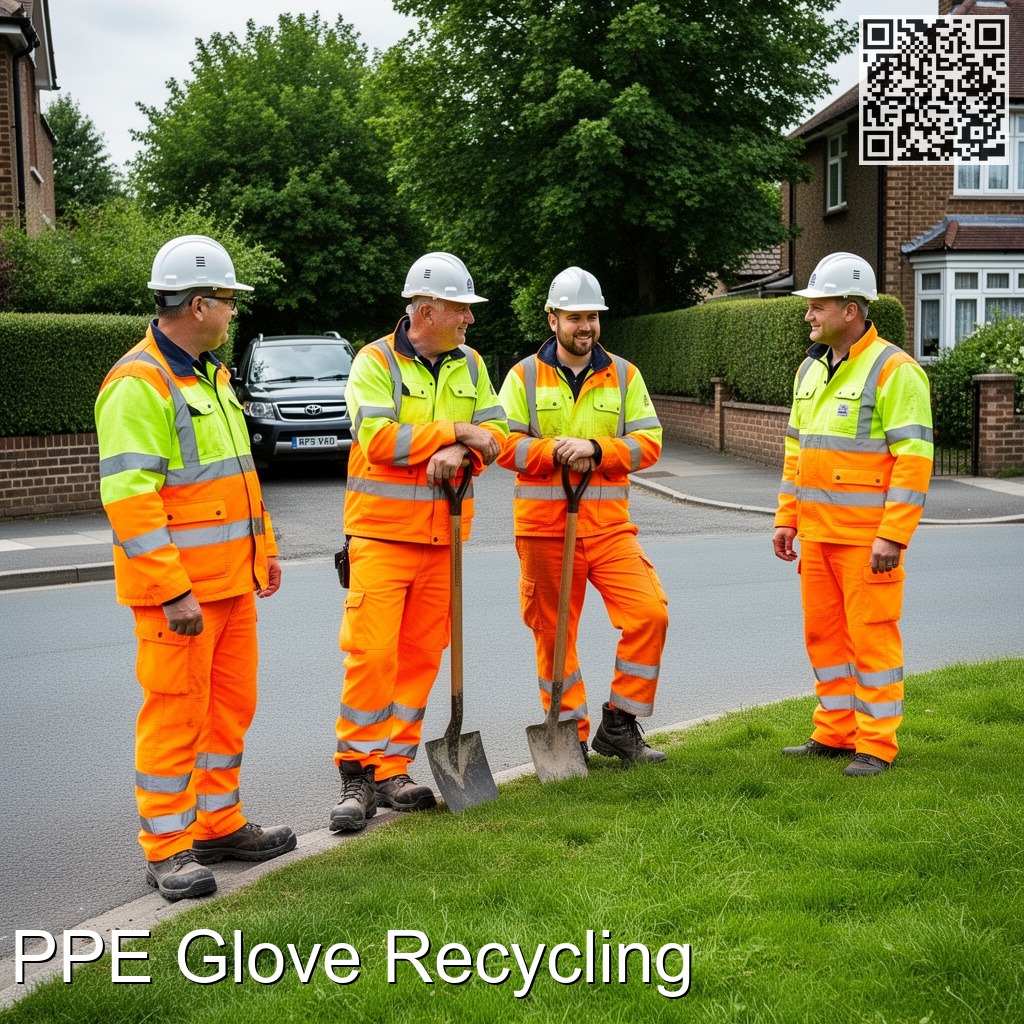
Short, particular, repeated training defeats a lecture. Individuals keep in mind why, where, and exactly how. Why: stress security initially, cost 2nd, sustainability third. This order signals top priorities. Where: indicate the specific containers and terminals, not a basic "use heaven container." How: reveal what belongs and what does not, making use of actual handwear covers from your line, not generic photos. Manager support is the actual engine. If the lead cares, the team cares. If the lead shrugs, the program ends up as a poster.
Language matters also. Avoid shaming. Commemorate excellent catches, like a technology that detected a contaminated bag and rerouted it. In a facility with multiple languages, print bilingual indicators that rely upon pictures. I have actually seen a solitary picture of "appropriate glove dirts" do greater than paragraphs of text.
Integrating procurement and inventory
Procurement plays a critical function when you shift to a circular economic climate design. Systematize handwear cover SKUs where possible. Combining from twelve handwear cover types to 7 streamlines cleansing specifications and supply. Discuss with providers for versions created for reuse, with enhanced seams or coverings that make it through numerous cycles. Request for test data across washing cycles. You will pay a bit more per set, and you will make it back in prolonged wear life.
Inventory settings also change. If you have gloves returning from cleansing, your safety stock can go down after the initial cycle, yet just if your turnaround time is foreseeable. Deal with your laundry or recycling companion on transportation schedules. A missed out on pickup can force an emergency situation buy. Construct a little barrier right into the model till the flow stabilizes.
Environmental duty without greenwash
Sustainability groups are hungry for reputable wins. PPE programs supply measurable diversion and emissions decreases, yet the cases need to be defensible. If handwear cover cleansing minimizes purchases by 30 percent and diverts a couple of lots of waste every year, quantify it with an easy carbon estimate, not speculative multipliers. Use well-known exhaust elements for nitrile or fabric manufacturing where readily available. If unpredictability continues to be, present ranges.
When describing PPE gloves recycling, name the procedure and end market: "nitrile gloves diverted to polymer healing for molded goods" is stronger than "handwear covers shut out of garbage dumps." If you collaborate with Libra PPE Recycling or a comparable professional, request for third‑party verification of recycling prices and finish uses. Put those numbers in your annual report with context, not as a standalone triumph.
Edge cases and red lines
Some environments will certainly stand up to reuse for sound reasons. Pharmaceutical cleanrooms, specific clinical applications, and hazmat feedback usually maintain a rigorous single‑use policy. In those cases, focus on upstream selection and downstream recycling. In food handling, glove cleansing can work for cut‑resistant linings, while single‑use outer gloves stay non reusable. Record these red lines so auditors and staff members see that your program respects pertinent standards.
Chemicals call for unique care. Nitrile's resistance varies extensively by solvent and density. A glove that looks fine after cleansing may have suffered permeation. If a task entails hostile solvents, miss reuse and prioritize risk-free recycling. Build a chem‑glove matrix with your EHS group, and revisit it if products change.
A sensible checklist for launching your program
- Gather baseline data: purchase volumes, SKUs, waste prices, event records, and bin mapping photos. Segment glove makes use of right into reuse, reuse, and controlled disposal based on threat and material. Select partners for glove cleaning and PPE gloves recycling, and set up a three‑month pilot. Build a simple ROI calculator with traditional inputs and safety and security screening baked in. Train managers and groups with certain, visual guidance and area containers where work happens.
Scaling and continuous improvement
After an effective pilot, scale purposely. Include divisions in waves, not all at once. Each wave should have a target diversion price, turn down limit, and safety and security efficiency check. Review data monthly. If the price per wear approaches, locate the root cause. It could be a change in sticky, a brand-new task, or sloppier sorting. Take care of the process, not the numbers.
Inspect your glove profile every three months. If a handwear cover constantly fails after one cleaning cycle, either update the glove or keep it in the recycling stream just. If a particular coated glove thrives via multiple cycles, take into consideration switching even more tasks to that design. Brand-new items arrive annually. A vendor's upgraded coating or yarn blend can unlock more cycles without compromising protection.
Integrate the program into your management rhythm. Include a fast PPE loophole evaluation to safety and security walks. Consist of a line on circular performance in regular monthly operations testimonials, next to scrap and downtime. When you deal with circularity as component of procedures, not a side project, individuals take it seriously.
Where Libra PPE Recycling fits
Specialized partners can simplify the difficult components. Libra PPE Recycling, for instance, focuses on circular economic climate model execution for PPE streams, with certain deepness in handwear covers. Their worth tends to turn up in 3 areas: regimented segregation methods, reliable logistics for bulk handwear cover returns, and clear reporting you can make use of in audits and sustainability disclosures. They can match an internal glove cleansing program by taking non‑reusable gloves right into a verified reusing course, or they can run a turnkey program if your scale or staffing calls for it. Just like any kind of partner, demand a pilot, clearness at a time markets, and data you can verify.
The cultural shift that makes it durable
Programs endure when they line up motivations. If supervisors obtain credit score for both safety and price efficiency, they will guard the glove loophole. If purchase's success is measured in complete price of possession, not just unit rate, they will certainly sustain higher‑durability gloves that make it through cleansing. If upkeep sees the containers as part of 5S, they will certainly keep them in position and clean. Culture turns up carefully: the ideal bin at the ideal height, a laminated card that is not crinkled and unreadable, a quick thank‑you in the team huddle for maintaining pollutants out of the reuse stream.
I bear in mind a plant where the most effective signal of success was the lack of dramatization. Cleansed handwear covers showed up on Tuesday afternoon, they felt and look right, and people ordered them without remark. Waste totes were lighter. The monthly spend trended down also as outcome climbed. EHS had fewer small abrasion cases because workers picked the best glove and kept using it, as opposed to swapping to slim disposables after a spill. That quiet normality is what you are aiming for.
Bringing everything together
A round economic climate version for PPE does not need moonshots. Beginning with the ideal handwear cover in the appropriate job. Maintain pollutants out of reuse. Tidy with verified procedures. Recycle what you can not reuse. Track the metrics that matter. Make use of an ROI calculator to make your case and to maintain the program sincere. Select partners who share your prejudice for documents and quantifiable outcomes, whether that is a neighborhood laundry with industrial capability or an expert like Libra PPE Recycling for downstream recovery.
If you do this well, your PPE program becomes a lot more predictable and much less wasteful. You will certainly cut invest without asking people to function tougher. You will certainly reduce waste without asking security to blink. And you will certainly have a trustworthy, repeatable way to reveal ecological obligation, not as a shiny pledge, however as a line on the operations scorecard that makes its keep month after month.
Libra Industries Inc
1435 N Blackstone St, Jackson, MI 49202
+15177875675
| Place ID | ChIJt_HMH44vPYgRNbiD22DpHYo |
| CID | 9952367353767639093 |
| Business Profile ID | 6301257705288912858 |
7H9Q+2G Jackson, Michigan
| Coordinates | 42.26760060, -84.41112540 |
 Ask ChatGPT
 Ask Grok
 Ask Perplexity
 Ask Claude
 Ask Google AI
 Ask You