Safety managers ask 2 inquiries the first time they look at PPE gloves recycling. Will this keep my individuals secure, and will it survive an audit? Whatever else follows. Cost issues, sustainability matters, but if the program risks cross-contamination or breaks a regulative need, it delays. The good news is a properly designed handwear cover cleaning program can please compliance, secure employees, and boost the lower line. It just requires to be dealt with like any type of various other regulated process, with clear standards, traceability, and self-displined execution.
This overview draws on years of applying and bookkeeping programs in labs, food facilities, automotive plants, and electronic devices assembly. The details vary from site to website, yet the core concepts hold whether you recycle nitrile disposables for light-duty work or wash heavy-cut Kevlar in a stamping plant. The areas below walk through threat assessment, guidelines, supplier choice, chain of guardianship, cleaning criteria, validation, training, and performance measurement. In the process, you will discover sensible examples, standards, and a few tough lessons learned.
Why handwear cover reusing rests at the intersection of security and compliance
Single-use PPE has ended up being shorthand for security, yet it is not an assurance. Handwear covers safeguard only when they are the ideal material, appropriately sized, intact, and tidy. Reuse includes another variable, which is why it sets off both chance and anxiety. Done right, PPE gloves recycling decreases waste, lowers spend on consumables, and supports Ecological responsibility within a circular economic situation design. Done inadequately, it increases hand injuries, spreads residues, or produces paperwork spaces that auditors discover instantly.
The choice is not binary between landfill and risk. Modern glove cleaning company apply recorded, verified procedures that match sterilized washing in uniformity. What matters is matching the service and workflow to your hazard account, and after that proving, not thinking, that the procedure operates in your environment.
Start with a risk and use assessment
Before discussing suppliers or cleans, map what the handwear covers do today. A single website can have 5 unique handwear cover utilizes under one roof, each with different risk.
In an automobile plant, for example, assembly workers deal with light oils, adhesives, and plastic elements. The gloves obtain ugly, not harmful. In the same center, a paint booth technician collaborates with isocyanates, while upkeep makes use of solvents. A covering recycle program would be careless. Rather, different streams. The light-duty assembly gloves commonly qualify for handwear cover cleansing. The paint and solvent gloves do not, and they should be disposed of as hazardous waste according to your permits.
Two quick checks assist you sort the streams. Initially, checklist the compounds the gloves call and draw their SDS. Take a look at persistence, dermal exposure danger, and whether deposits are water soluble. Second, observe real use. Enjoy just how workers place on and get rid of PPE, just how usually gloves tear, and where they set them down throughout breaks. Behavior informs you as much as chemistry concerning cross-contamination risk.
As a guideline, handwear covers made use of with food, cytotoxic agents, high-hazard chemicals, biologicals at BSL-2 or greater, or heavy steels in dirt type are bad candidates for reuse. Gloves utilized in completely dry setting up, packaging, kitting, inspection, or managing non-hazardous components are frequently ideal. If you are unsure, run a pilot with conventional acceptance criteria and rise only after data verifies safety.
Understand the regulatory frame: broad responsibilities, regional specifics
There is no single "glove recycling" legislation. Instead, numerous familiar structures use depending upon your sector and location.
Occupational security policies need that PPE is suitable, conserved, cleaned, and replaced as essential. In the United States, OSHA 1910.132 and 1910.138 underpin this duty. In the EU, Guideline (EU) 2016/425, sustained by EN criteria, sets PPE efficiency demands. The spirit coincides throughout jurisdictions. Employers should ensure PPE remains to carry out as intended.
Waste guidelines establish what you can ship back for cleansing versus what need to be dealt with as waste. If gloves are polluted with harmful substances or contagious materials, the waste regulations use first. Identify properly before you choose the path.
Industry-specific codes overlay extra demands. Mixer run under GMP concepts that push towards devoted, color-coded gloves and regulated laundering if reuse is permitted in all. Pharmaceutical and clinical device plants need to comply with cleaning validation assumptions that are much stricter than basic sector. Electronic devices assembly might be governed by ESD criteria and tidiness limitations to prevent ionic contamination.
One much more string has gone into the image over the last few years: environmental laws and prolonged producer duty. Numerous jurisdictions motivate or need decrease of single-use plastics and mandate reporting on waste streams. A PPE gloves recycling program can sustain conformity with these objectives, supplied it is recorded and traceable.
When auditors see, they do not look for a magic certification. They ask to see your danger assessment, your decision criteria for which gloves can be recycled, your cleaning and approval requirements, and proof that the procedure is followed. That proof can come from interior logs or from a supplier like Libra PPE Recycling, but it must be full and current.
Selecting the best handwear cover cleaning partner
There is a distinction between mass laundering and a managed, traceable handwear cover cleaning process. The even more regulated your setting, the much more you must demand the latter. When contrasting vendors, check out their procedure detail instead of their brochure adjectives. Ask to see the SOPs. Ask to visit the center. Ask exactly how they stop Cross-contamination in between customers and in between incoming and outbound product.
Four locations separate a capable companion from an ordinary one. Initially, consumption controls. Handwear covers must be obtained in sealed, labeled containers with chain-of-custody paperwork, after that arranged by type and problem under specified standards. Second, validated cleaning. The supplier must be able to describe temperatures, detergents, rinse quality, and drying specifications, and supply proof they eliminate targeted soils without weakening the handwear cover. Third, lot traceability. Each batch requires an one-of-a-kind great deal code tied to its source site, days, and procedure specifications. Fourth, top quality checks. The evaluation procedure must include aesthetic checks, mechanical honesty examinations ideal to the glove kind, and tidiness analyses. For cut-resistant handwear covers, that may include palm abrasion limits and sew stability. For disposable nitrile, you want AQL-based sampling and leakage testing.
Vendors that support a circular economic situation version commonly likewise accumulate efficiency data. If they use an ROI calculator, feed it with actual numbers, not averages. Enter your handwear cover costs, use rates, and expected reject prices. Traditional assumptions will give you a more accurate photo of cost savings and ecological impact.
Libra PPE Recycling, as one example in this room, releases procedure controls and offers audit assistance. No matter that you pick, hold them to the very same standard you use for any essential distributor: documented treatments, quantifiable outputs, and transparent rehabilitative action when something goes wrong.
Setting approval requirements that protect people, not just budgets
Glove reuse is not an all-or-nothing proposal. You define what serves, and you can tighten up or loosen limits as you gather data.
Fit is foundational. Shrinking or stretch after cleansing have to not change the dimension to the point of discomfort or slippage. If the glove model runs little after 3 cycles, switch versions or cap the number of cycles. Chemical resistance and cut protection are next. For coated cut-resistant handwear covers, the coating can set or split over time. Set an optimal variety of cleansing cycles and verify with regular cut examinations that ANSI/EN ratings still hold. For nitrile disposables cleaned up for non-sterile jobs, focus on pinhole event using a water leak examination at a concurred AQL.
Cosmetic staining irritates customers however does not constantly suggest threat. Compare spots that are inert and those that signal recurring oil or adhesive that might transfer to a product. Train the evaluation team to use touch and smell deliberately. Your supplier ought to get rid of deposits to a "dry-to-touch, no transferable residue" standard. Anything much less welcomes operator question and conformity headaches.
A sensible example from a product packaging plant shows how standards advance. Initial acceptance allowed as much as 5 noticeable stains no larger than a cent on the back of the hand. Returns from the floor showed that customers denied handwear covers with 2 spots since they looked "dirty," even though they evaluated tidy. The fix was straightforward. Tighten the tarnish allocation and present color-coded cuffs for cleansed handwear covers to indicate that they had actually passed examination. Compliance increased instantly, even though the technical risk had not changed.
Chain of safekeeping and segregation prevent cross-contamination
The moment gloves leave the floor, your contamination threat changes from hands to logistics. A secured, identified, and dated container is your first protection. Usage stiff bins or hefty linings that withstand slits from roaming staples or shards. Keep separate containers for every handwear cover kind and usage stream. Do not combine maintenance handwear covers with setting up handwear covers, even for a quick backfill. Several audit monitorings arise from good people taking short cuts on a busy day.
Transport to the cleaning center must adhere to a documented course. If you move containers from a tidy zone to a storage facility that additionally deals with returns, list the path and who is in charge of getting and leaving. Photographs pasted inside the SOP aid brand-new staff identify the best containers and labels.
At the supplier, segregation proceeds. The best centers run one customer per lot, mechanically and spatially separated from https://andresnxgq513.wpsuo.com/how-handwear-cover-cleaning-minimizes-waste-and-boosts-ppe-roi various other great deals, with tidy and unclean areas physically split. If you have multiple sites, maintain each website's lots unique unless you knowingly merge them. Your invest analytics will be more clear, and any type of top quality problem will be less complicated to trace.
Return deliveries need to arrive with packaging slides providing great deal codes, amounts, and the cleansing cycles used. If you require serialized traceability down to the pair, settle on labeling that survives usage. Several programs utilize scan-ready stickers on the cuff or the bag. Balance is essential. Excessive labeling can annoy operators. Insufficient undermines your records.
Validated cleaning defeats "we cleaned it"
Cleaning validation is the area where safety, science, and documentation satisfy. You don't need pharmaceutical-grade protocols for many industrial applications, however you do need evidence that the procedure eliminates the dirts you appreciate, without damaging the glove.
Start with a standard. Gather made use of handwear covers rep of your soils. For each and every soil group, surge a test collection and run it through the suggested cleaning process. Step pre and post degrees making use of functional techniques. For oils and oils, gravimetric deposit or contact transfer tests work. For ionic contamination in electronics, make use of ion chromatography on rinsate. For biological dirts in low-risk atmospheres, aerobic plate counts or ATP swabs can offer directional assurance, though any type of call with microorganisms moves you out of reuse area entirely.
Next, test the sides. Increase dirt tons, examination worst-case dwell times before cleaning, and run numerous cycles to evaluate durability. File the specifications: clean temperature level, chemistry, mechanical activity, rinse top quality, and drying out approaches. Repeatability matters as much as raw efficacy.
Set your approval requirements based on the information and your risk resistance. As an example, "no obvious transferable deposit on a tidy white clean after 10 seconds of modest pressure" is basic to investigate and correlates well with operator experience. If you need a number, line up with your market norms: less than 1 µg/ cm two of non-volatile deposit on important surfaces prevails in electronic devices, though handwear covers touch more than just essential surfaces. Be transparent with employees regarding what the examinations mean. Trust boosts when people see numbers and side-by-side examples.
Schedule revalidation. Tools puts on, detergents transform, incoming dirts wander. Annual verification is usually adequate in light-duty applications, while higher-risk lines may take on semiannual checks.
Training the workforce to make the program real
People determine whether a handwear cover recycling program succeeds. If they believe the cleaned up gloves are risk-free and comfy, they will certainly utilize them. If they have doubts, the containers will certainly full of "one-and-done" discards while your expense and waste financial savings evaporate.
Training must cover the why and the how. Clarify the safety and security requirements in ordinary language. Program the before and after. Allow individuals take care of cleansed gloves and offer comments. Educate proper doffing to avoid self-contamination, stress when to discard promptly, and show how to acknowledge a handwear cover that ought to not go back to solution. Offer managers a brief manuscript so they can answer questions without improvising.
Feedback loops issue. Early in a rollout, walk the lines two times a day. Ask what feels various. Action user satisfaction via quick pulse surveys and note any hotspots: sticky fingertips, odor, rigidity after drying out, or seam irritability. Share results back with the supplier. Small process changes, like an added rinse or a various drying temperature, typically fix the problem.
Some teams gain from visual cues. Color-coded hooks for cleansed handwear covers, bins labeled with simple iconography, and QR codes that link to a 30-second how-to video lower friction. Avoid perfection. Go for a program that works on the night shift in week six without your presence.
Integration with EHS, top quality, and procurement systems
A handwear cover reusing program touches numerous features. EHS has the danger evaluation and the PPE viability. Quality cares about sanitation and product defense. Procurement steps cost and supplier performance. Unless those groups coordinate, each will enhance for their own objective and present conflicts.
Make a short, shared one-page spec for recycled gloves. Include glove models, acceptable usages, cleaning cycles allowed, inspection standards, and personality rules. Affix it to your PPE plan and your inbound inspection strategy. Ensure your buying codes show "cleaned up" versus "brand-new" whole lots, so records do not mix them. If your websites make use of various handwear cover SKUs, make a decision whether to balance designs or run separate streams.
When high quality nonconformances happen, treat them like any other. Open up a document, catch the whole lot code, and request the cleaning specifications from the vendor. Close the loop with corrective action, whether that is a changed process, retraining, or tighter acceptance standards. Auditors do not penalize you for a nonconformance that you catch and deal with. They focus on unrestrained problems and missing records.
Calculating worth: past pure expense per pair
Savings are seldom consistent across a site. Some departments will see a 40 to 60 percent reduction in invest in multiple-use glove lines within a quarter. Others hardly move, or even see a minor rise while twists are settled. That is normal.
Use an ROI calculator, however inhabit it with site-specific information. Separate your glove portfolio into 3 buckets: eligible for cleansing, ineligible due to threat, and unsure. Estimate turn prices based upon pilot information, not vendor standards. Include the expense of inner labor for dealing with containers and the expense of turns down that fail evaluation on return. If you're working with Libra PPE Recycling or a similar company, request historical denial rates by glove design and dirt kind. Several will share anonymized arrays that help you stay clear of positive outlook bias.
Value shows up in softer places too. Waste carrying prices might go down if handwear covers occupy a big portion of your compactors. Ecological coverage improves with a measurable decrease in single-use PPE. Several customers have utilized their glove recycling program to fulfill a sustainability KPI, which consequently opened internal funding for much better dispensing equipment and training.
Keep one eye on functional designs and performance. If a cleaned handwear cover comes to be stiffer and decreases mastery, your choice prices can fall. Procedure that. It is much better to keep a fresh handwear cover in a station with fine setting up than to chase a small conserving and shed throughput.
Special cases and edge conditions
Not every handwear cover and not every procedure fits nicely right into the recycle bucket. Non reusable nitrile in labs is a typical instance. Light-duty laboratory work with buffers and benign reagents may qualify, yet the structure likewise deals with phenol, solid acids, or biologicals in adjacent rooms. The administrative problem of segregation can surpass the benefit. In that case, take into consideration recycling only from certain benches with clear signage, and keep the rest single-use.
Cut-resistant handwear covers that manage oily metal stock clean well, however some coatings shed grasp after repeated cycles. If operators make up by pressing harder, hand fatigue rises. The repair is to switch to a finish that preserves grasp after cleansing, cap cycles at a lower number, or book cleaned up gloves for non-grip-intensive tasks.
Food environments are the most strict. Numerous centers restrict handwear cover reuse outright on get in touch with lines. Off-line tasks, like upkeep in non-contact areas or product packaging in additional areas, might still approve cleaned up handwear covers if the program fulfills your HACCP strategy and distributor approval process. Include your food safety group early and treat any change as a regulated program with documented risk analysis.
ESD-sensitive electronic devices offer a different challenge. Cleanliness and ionic residue control are paramount. Validated cleaning with deionized water and non-ionic cleaning agents can produce handwear covers that fulfill ESD and sanitation limits, but you need to check and check. If you can not assure steady surface area resistance and reduced ionic residue, do not reuse because area.
Building a straightforward, auditable workflow
Auditors search for clarity and consistency. A straightforward process keeps you ready.
- Define streams: qualified, ineligible, and quarantine for testimonial. Post the choice tree at the point of use. Collect safely: sealed, identified containers with day, handwear cover type, and location of beginning. Separate by stream. Track great deals: appoint a whole lot ID when bins leave the flooring. Maintain the ID through cleansing and return. Inspect on return: spot-check versus your acceptance standards. Tape pass prices and reasons for reject. Review monthly: EHS, quality, and purchase fulfill briefly to check out data, responses, and any nonconformances.
This is the only listing in this short article. It exists since lists aid when time is short.
Measuring and preserving performance
Treat your glove recycling program as a living procedure. Three metrics tell a lot of the story: deny price on return, wearer contentment, and case information. If the decline rate climbs, something altered in the soil, the wash, or the examination. If complete satisfaction dips, you risk noncompliance by actions. If cases rise, stop and reassess immediately.
Add leading indicators. Track the time in between glove changes on the line. If it reduces after presenting cleansed gloves, get ahead of the aggravation. Conduct a small wear examination contrasting fresh and cleaned gloves with the very same jobs and capture efficiency and comfort ratings. Engage your supplier with the data and request for adjustments.
From a compliance viewpoint, run a quarterly interior audit versus your very own SOP. Walk the course of the handwear cover: point of use, collection, hosting, shipment, receipt, examination, and redeployment. Self-discoveries develop trustworthiness and protect against surprises throughout external audits.
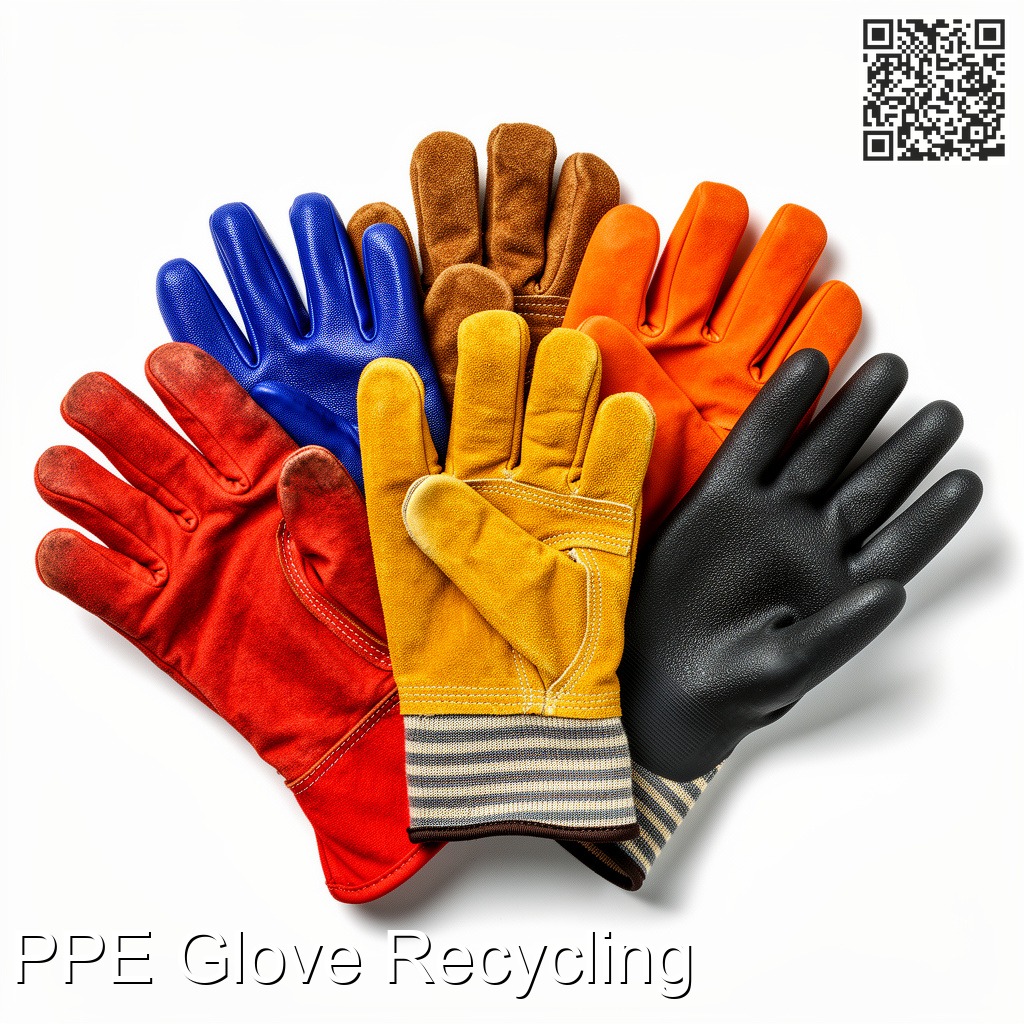
Where Libra PPE Recycling fits
Libra PPE Recycling is among numerous customized service providers building programs around traceability, recognition, and circularity. Companies choose Libra when they require more than asset laundering. The typical offering consists of sealed-bin logistics, material-specific processes, recorded cleansing parameters, and lot-level quality information. Some clients also incorporate Libra's coverage with their sustainability control panels, which simplifies Ecological responsibility tracking across sites. If you assess Libra or any type of similar carrier, press on information. Request the recognition recaps, the pass/fail thresholds by handwear cover version, and instances of rehabilitative activities from previous variances. A strong partner will invite the scrutiny.
A sensible path to start
If you are brand-new to PPE gloves recycling, start little with a line that makes use of a single glove model and a predictable soil. Run a 60-day pilot with plainly defined goals: safety equivalence, driver approval, and a targeted deny rate. Accumulate data daily for the initial 2 weeks, after that weekly. Maintain a control team making use of brand-new gloves to compare convenience and performance.
Budget time for surprises. Bins will certainly be misplaced. A shipment will return with combined sizes. Somebody will toss a solvent-glazed glove into the wrong container. These are correctable concerns. Use them to refine training, labeling, and guidance. Paper each fix. Those notes end up being the foundation of your conventional work.
Once the pilot supports, range intentionally. Add lines with similar dirts and glove versions prior to leaping to a various threat account. Resist need to declare victory and move on. Sustaining the program is the genuine work.
The larger image: safety, cost, and stewardship aligned
Recycling PPE Gloves is not practically minimizing waste. It is an examination of whether an organization can run a regulated procedure throughout divisions and suppliers without losing sight of the reason PPE exists. When you obtain it right, you protect hands, decrease spend, and send out much less material to landfill. You additionally develop muscle mass for other circular economy efforts that will get here on your roadmap over the following couple of years.
Executives typically ask when the program "pays for itself." In many plants, the repayment appears in a solitary quarter for eligible streams. In others, it takes a couple of quarters to straighten out logistics and acceptance. The investment is modest contrasted to the payback, especially when you account for avoided waste costs and boosted sustainability ratings. Yet real return is social. Individuals see that safety and security and Environmental responsibility can exist together with usefulness. Tiny victories, like a smooth glove cleansing loophole, construct depend on for larger changes.
If you already run a program, revisit your assumptions each year. Supply chains shift, handwear cover formulations change, and new tasks get in the plant. Your approval requirements, cleaning validation, and training must develop with them. If you are going back to square one, pick one location, run a tight pilot, and learn rapidly. Then increase with confidence.
PPE works when individuals do. Provide handwear covers that fit, protect, and really feel tidy. Prove it with information. Keep the documentation clean. The remainder follows.
Libra Industries Inc
1435 N Blackstone St, Jackson, MI 49202
+15177875675
| Place ID | ChIJt_HMH44vPYgRNbiD22DpHYo |
| CID | 9952367353767639093 |
| Business Profile ID | 6301257705288912858 |
7H9Q+2G Jackson, Michigan
| Coordinates | 42.26760060, -84.41112540 |
 Ask ChatGPT
 Ask Grok
 Ask Perplexity
 Ask Claude
 Ask Google AI
 Ask You